What Gratitude Is Not

Maybe we focus on gratitude because we feel guilty—and scared. We know at a deep level that we’re ludicrously wealthy and healthy. We’re also terrified of that ease and comfort disappearing. So we read books and articles about gratitude as a cardinal virtue not because we genuinely feel grateful, but because we’re afraid of how God might smite us if we don’t.

McKay and the Endowment Ceremony

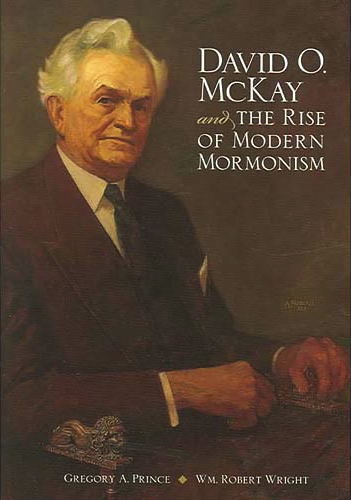
The following is taken verbatim from Greg Prince’s biography David O. McKay and the Rise of Modern Mormonism. It recounts some of President McKay’s concerns with the temple endowment ceremony, particularly with how younger people might interpret it. Ever since the endowment was introduced by Joseph Smith, who adopted many symbols from masonry into it, it has been modified numerous times—usually by removing portions and shortening the ceremony—in order to better accommodate the changing sensibilities of church membership. This excerpt sheds light on the thought process behind some of these changes.

So What If Romney’s Politics Aren’t Based on Principles?

Ever since Mitt Romney declared his intentions to become the Republican nominee for president in 2008, one of the chief criticisms directed at him has been that he isn’t ideologically pure enough, that he isn’t a “true” conservative, or that he’s changed positions on key issues too many times. In other words, he’s weak on Republican principles. But is that necessarily a bad thing?

Problems with Presumptions about Premortality

My patriarchal blessing says I was born into the Church to good parents because of my valiance in the premortal life. But I remember thinking at the time, “I was given every chance in the world to succeed and blossom based on my fortunate birth circumstances. If anything, God thought that I was weak and needed extra help to ensure I didn’t fail.”